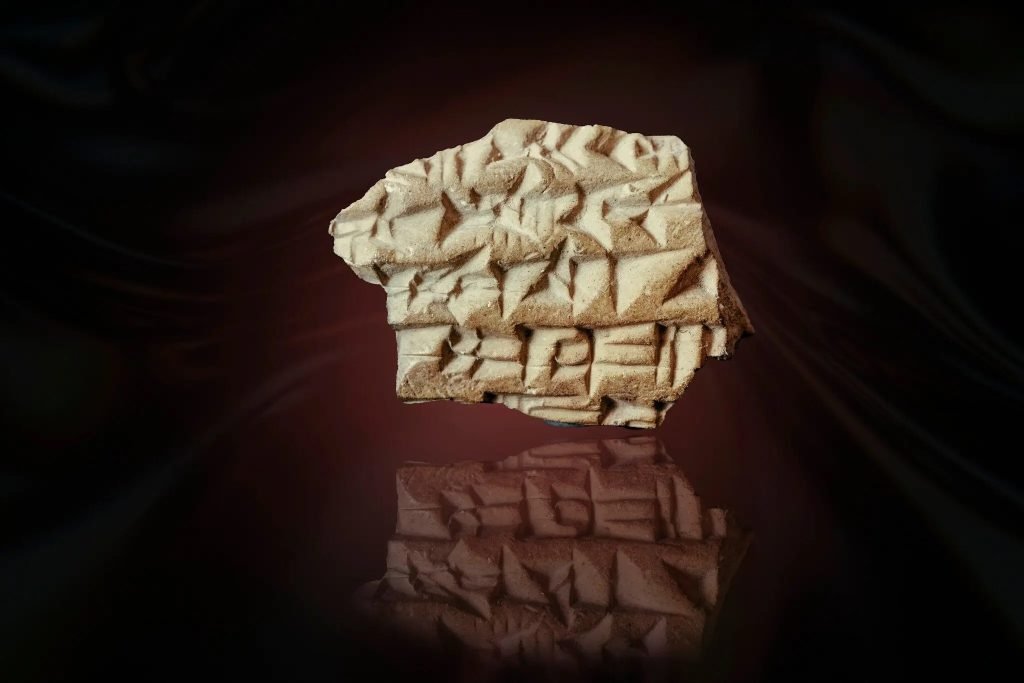
When a recent archaeological discovery in Jerusalem—an Assyrian administrative inscription corroborating the biblical account of Sennacherib’s invasion—hit social media, skeptics responded not with historical analysis but with comic book analogies. “Spider-Man mentions New York,” one skeptic argued, implying that real places in fiction mean nothing, proving anything. This absurd comparison reveals something troubling about modern…
Tag Archives: evidence
11
Jan
Jan
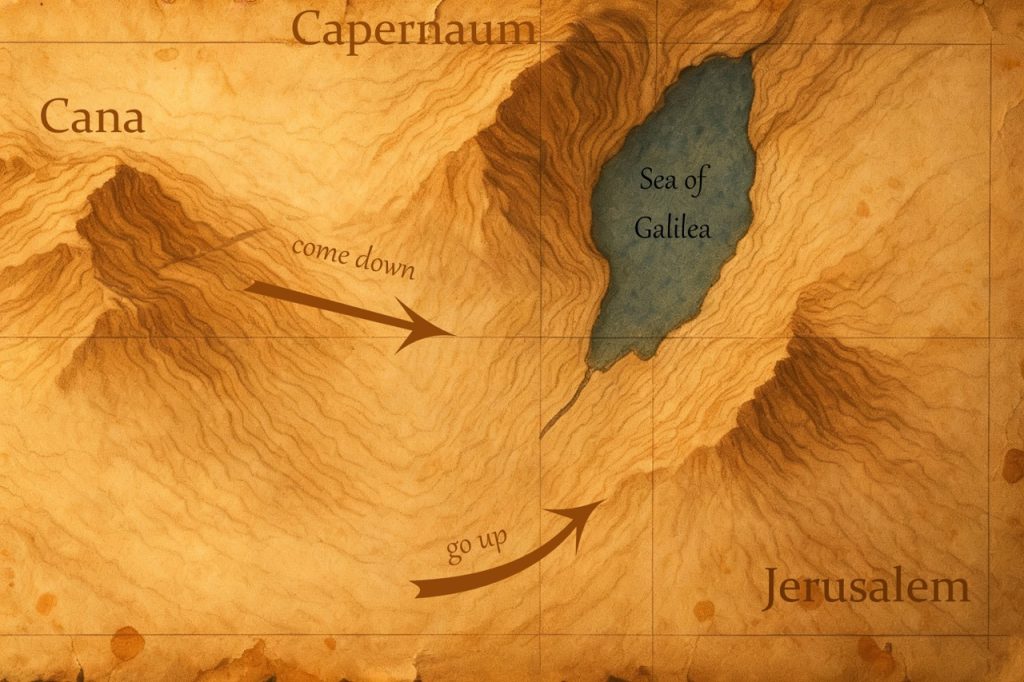
In Parts 1 and 2, we examined the manuscript evidence, early church testimony, and archaeological discoveries that establish John’s Gospel as historically reliable. But significant scholarly challenges remain: When was John written? How do we reconcile apparent contradictions with the Synoptic Gospels? Can theological interpretation coexist with historical reporting? This final installment addresses these critical…
10
Jan
Jan
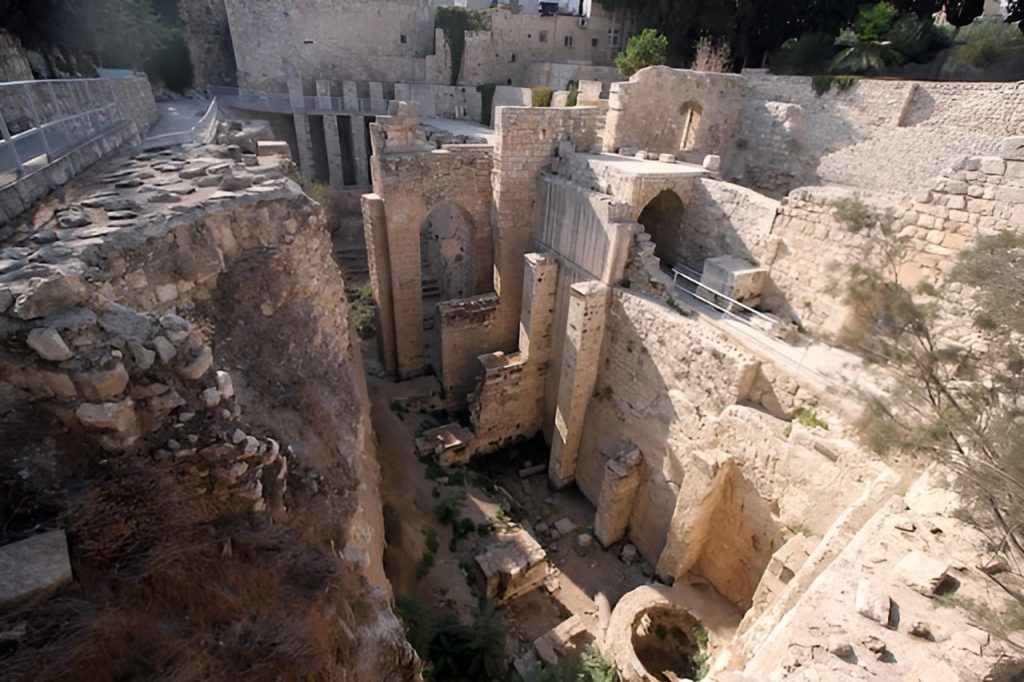
In Part 1, we examined the manuscript evidence and early church testimony establishing John’s Gospel as an authentic first-century document. But skeptics have long argued that even if John was written early, it still represents theological fiction rather than historical reporting. They pointed to specific geographical and architectural details as “proof” that John invented stories…

09
Jan
Jan
Research across early church testimony, manuscript evidence, archaeology, and critical scholarship converges to demonstrate that the Gospel of John represents historically grounded eyewitness testimony, validating John as the author of the Gospel about Jesus of Nazareth. While the Fourth Gospel has faced intense skepticism since the 19th century—dismissed as late theological fiction disconnected from historical…

28
Dec
Dec
The archaeological evidence for Christmas tells a remarkable story. For nearly two centuries, skeptical scholars dismissed the Christmas narrative as a pious legend disconnected from historical reality. The virgin birth was claimed to be borrowed mythology. Bethlehem appeared too small and obscure. The census under Quirinius created supposed chronological problems. The manger in a cave…
Philosophy
Evidence-Based vs. Worldview-Based Skepticism: A Methodological Framework for Avoiding Irrational Skepticism

10
Dec
Dec
Modern skepticism toward biblical accounts and early Christian history often presents itself as the natural result of rigorous historical methodology. Scholars dismiss miracle accounts, question eyewitness testimony, and reconstruct naturalistic alternatives, all while claiming to follow the evidence wherever it leads. But a closer examination reveals something troubling, leading to irrational skepticism: much of what…

18
Jun
Jun
Have you ever found yourself in a discussion or argument with someone about God, and they dared you to prove God exists? Or that Jesus is who he claimed to be? Or that the Bible is the inspired word of God? I’ve seen or heard that hundreds if not thousands of times. Here’s the thing…

20
Mar
Mar
One of the criticisms of the Bible that has gained traction in recent decades is the notion that we cannot believe the biblical narratives because they were written entirely by the proponents of the faith expounded by the writers. In other words, what the biblical writers tell us is inadmissible as evidence insomuch as history…

22
Jul
Jul
Are biblical testimonies inadmissible because the writers had biases informed by personal convictions? So goes the charge frequently made against the biblical narratives – that what the authors of the New Testament documents were expounding were lies they were holding on to because of their prior personal convictions. But just how reasonable is this claim?…

16
Jul
Jul
Have you ever heard the claim “extraordinary claims require extraordinary evidence?” Or perhaps you’ve made the argument yourself or are parroting the rhetoric that you’ve heard on internet discussion boards where atheists frequent. Or maybe you’ve felt something amiss when confronted by the argument but couldn’t quite put your finger on it. Whatever the case…